





Trade
China's September Exports Jump 36.3%, Pushing Nine-Month Trade Surplus Toward $1 Trillion
Oct 20, 2026 · Brynick Newsroom, Ningbo
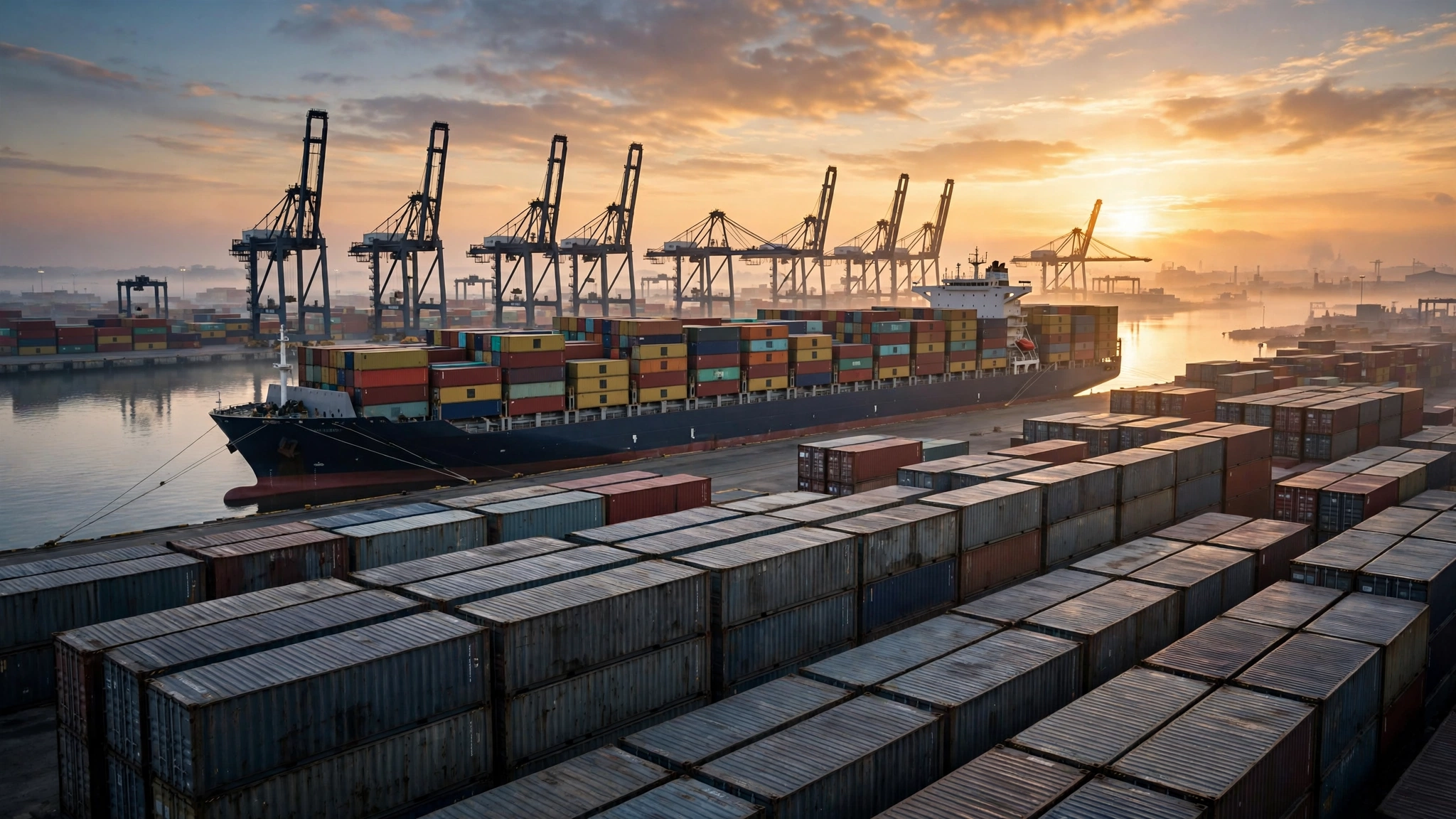
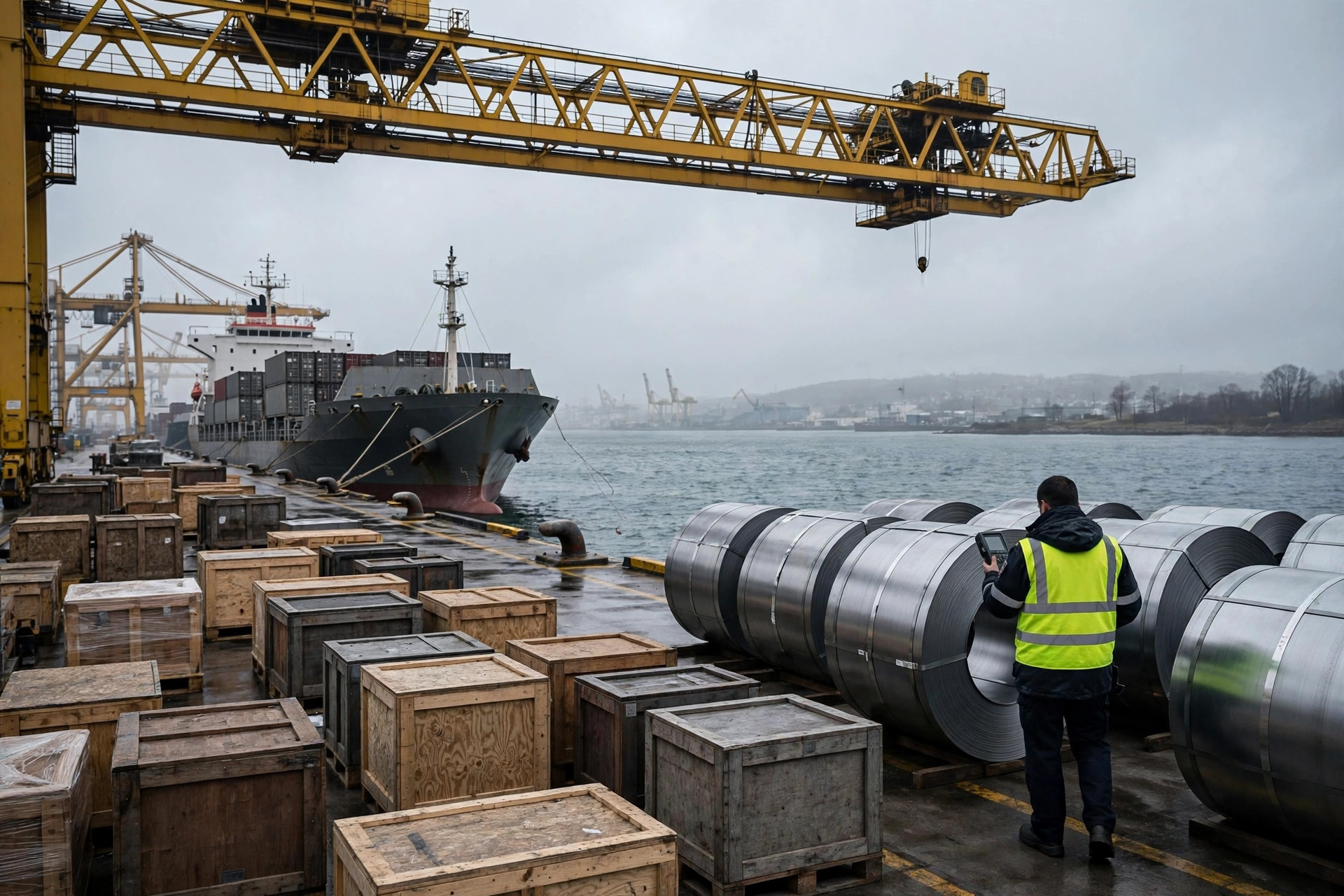
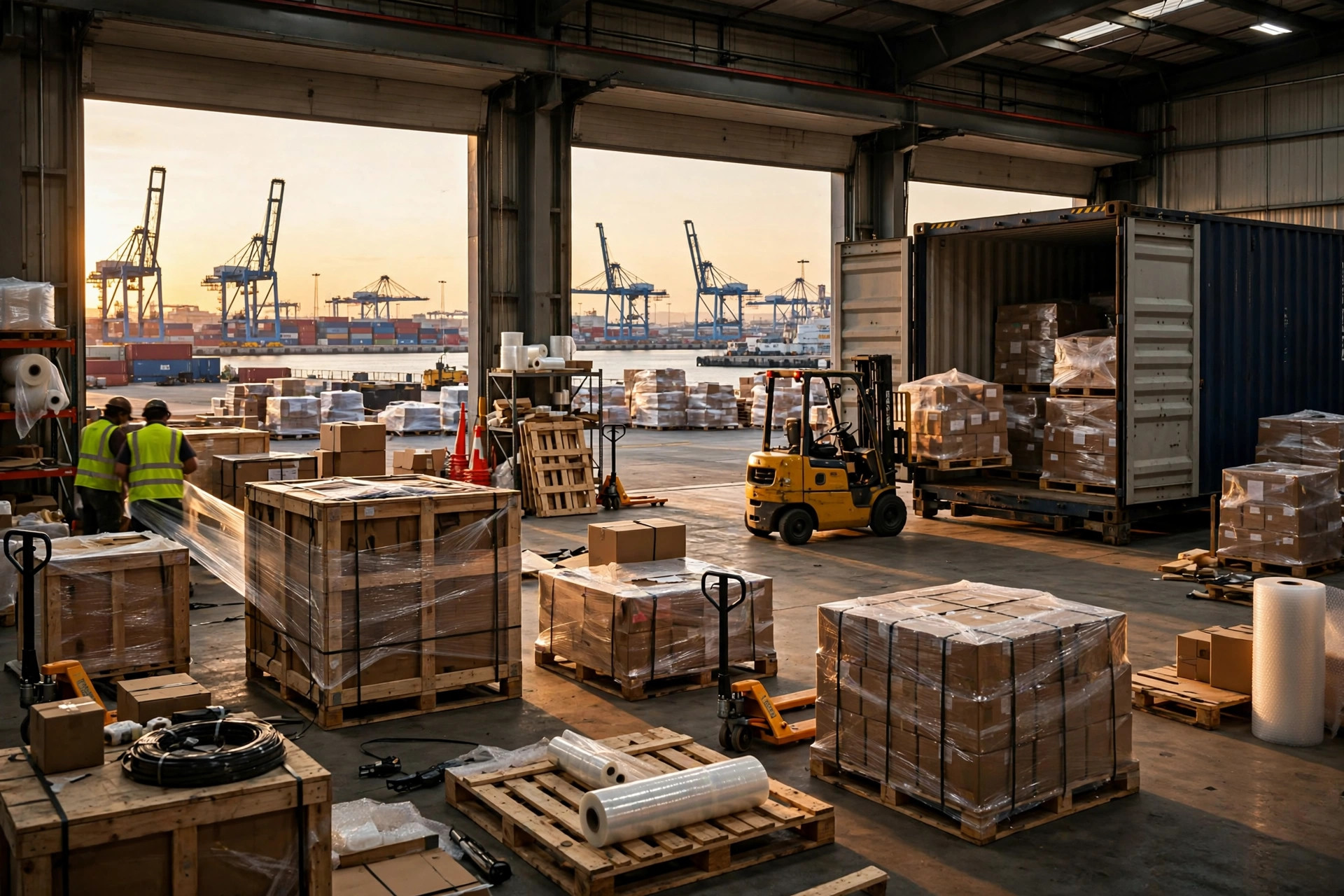
China's export engine is running hotter than almost anyone expected. Customs data released on October 14 showed September exports jumping 36.3% year on year — the fastest pace since February, far above the 25% recorded in August and well ahead of economists' forecasts of about 25.5%. September shipments totaled $447.18 billion, while imports rose 31.0% to $313.65 billion, leaving a monthly trade surplus of $133.53 billion, up from $119.1 billion in August. For the first nine months of 2026, China's surplus reached $938.1 billion, putting the country on course to exceed last year's record $1.2 trillion surplus if the pace holds through the final quarter.
High-tech goods did much of the heavy lifting. Semiconductor export value was up 108.1% year on year for January–September, data-processing equipment and parts rose 54.6%, and automobile exports grew 54.3%, according to the customs figures reported by AP and Reuters. Equipment manufacturing accounted for nearly 90% of the overall export increase, while private companies handled 56.9% of total trade, up 19.1%. With weak consumer spending and investment continuing to weigh on the domestic economy, analysts say overseas demand — particularly demand linked to the global build-out of AI infrastructure — is now carrying Chinese factory output.
The strength arrives as trade diplomacy takes center stage. President Xi Jinping's September summit with US President Donald Trump in Washington secured an extension of the US–China tariff truce and tariff cuts on $30 billion of goods on each side, while China and the EU announced an initial trade understanding on October 9 — though September's figures predate it, so its effects are not yet visible in the data. At the same time, the widening surplus is adding pressure from trading partners worried about competition with domestic manufacturers, raising the prospect of further scrutiny or trade measures targeting Chinese exports.
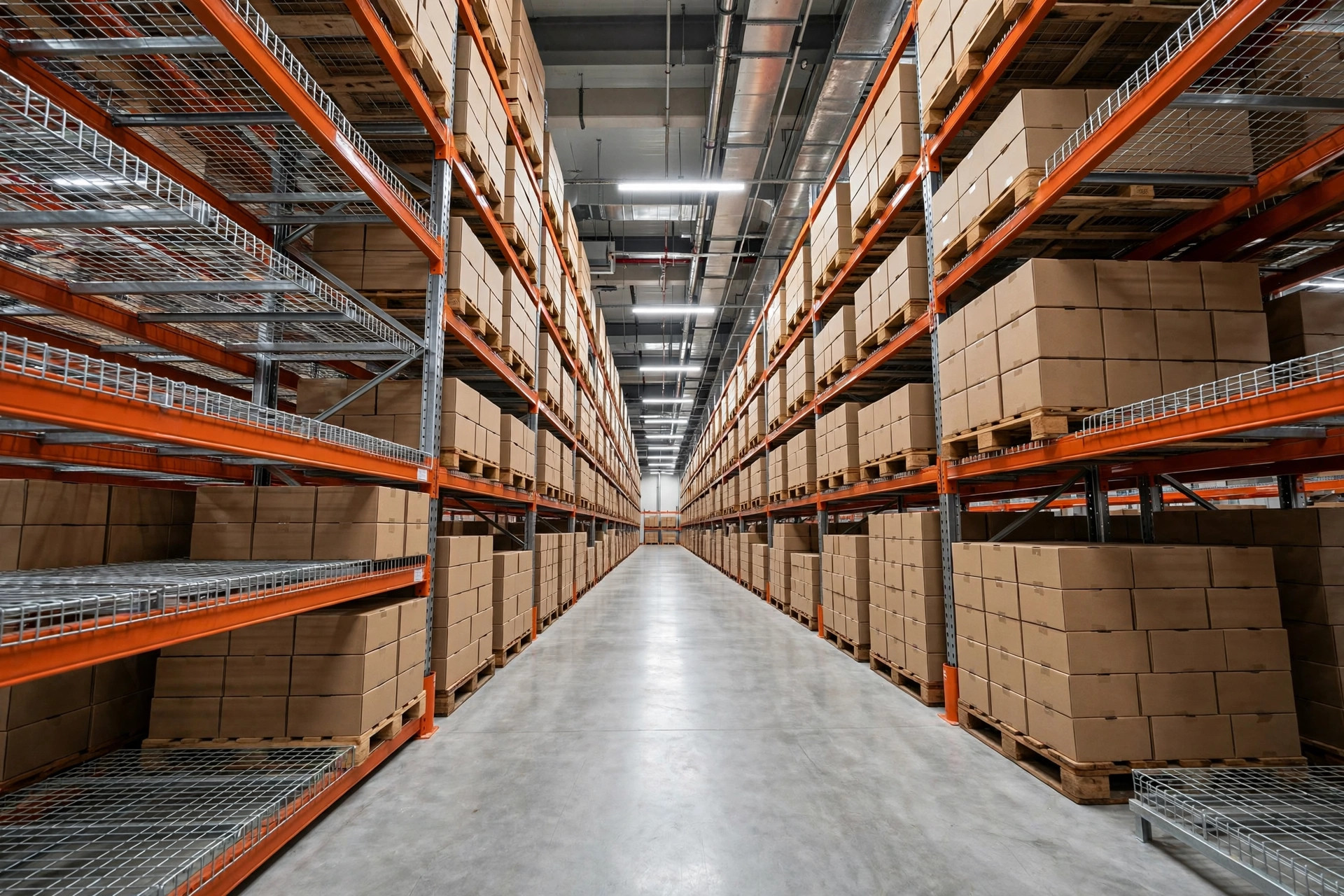
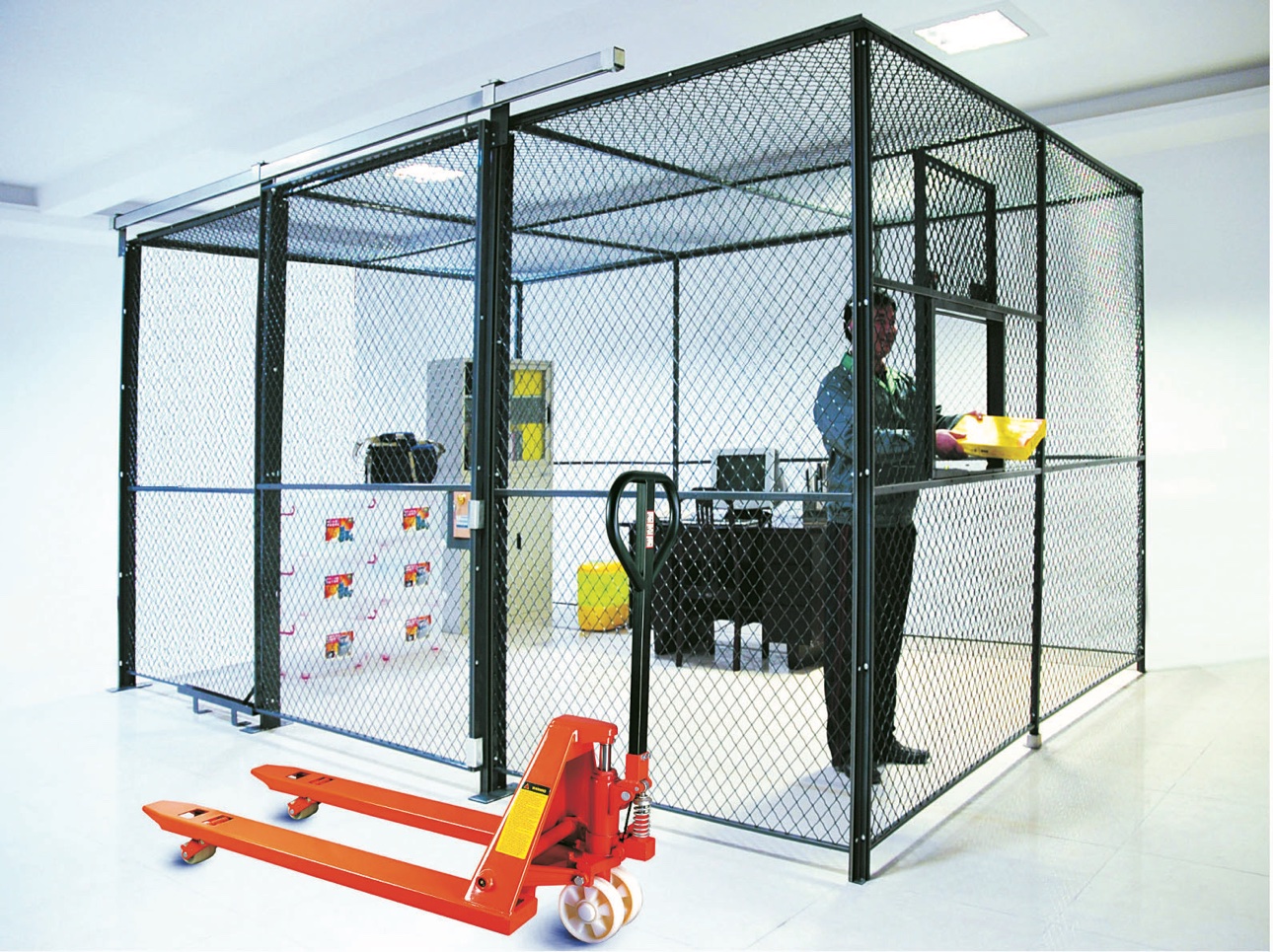
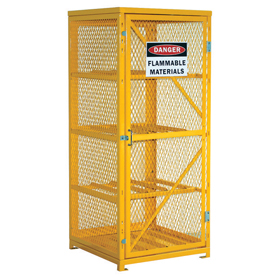
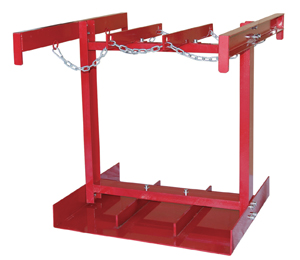
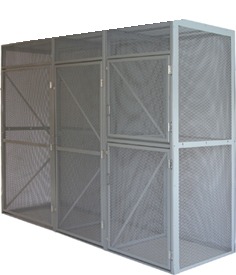
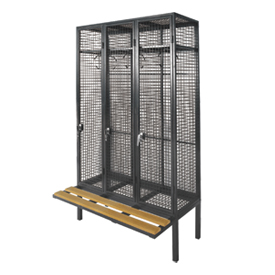
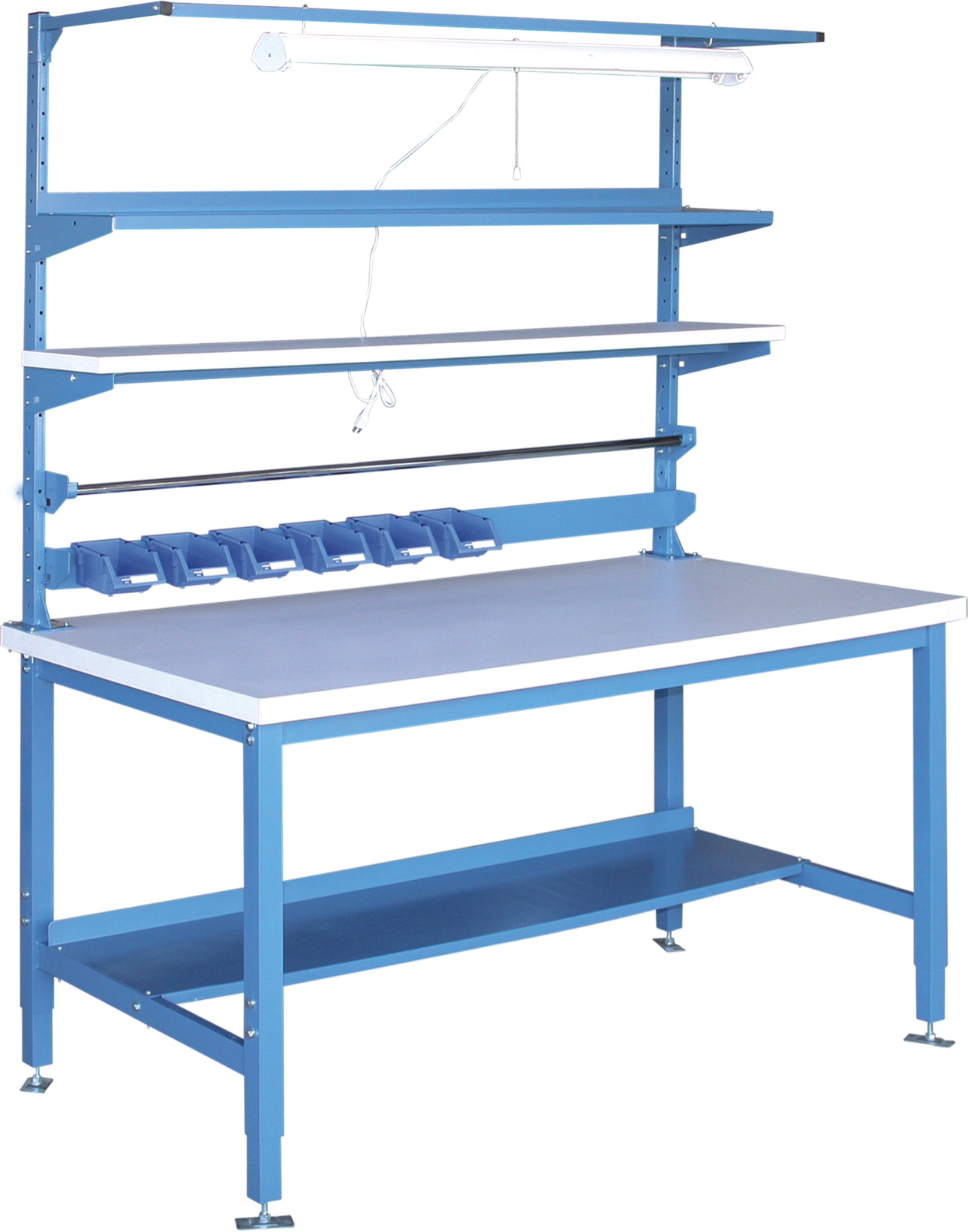
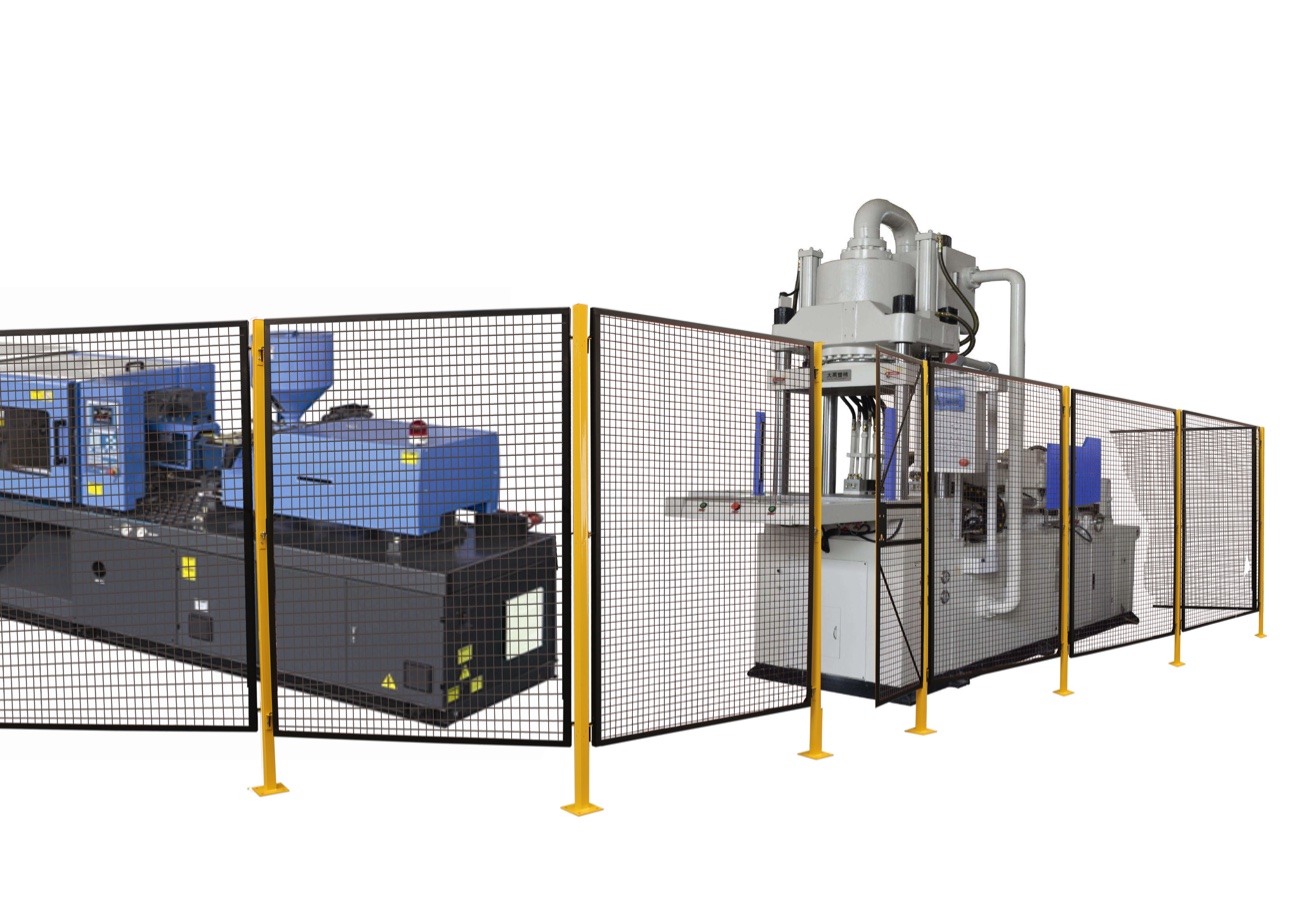
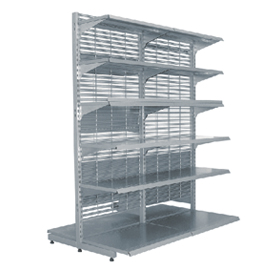
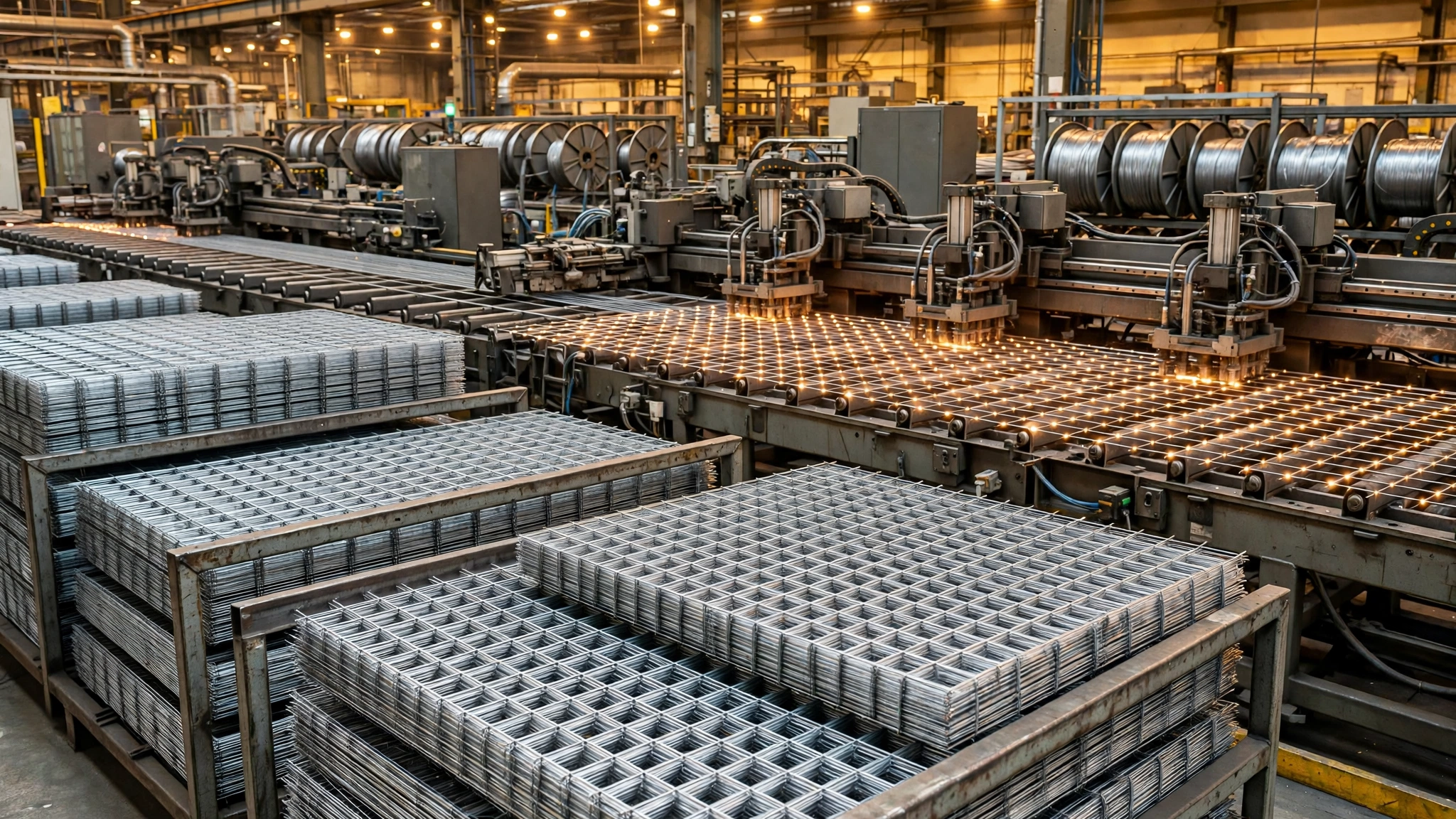
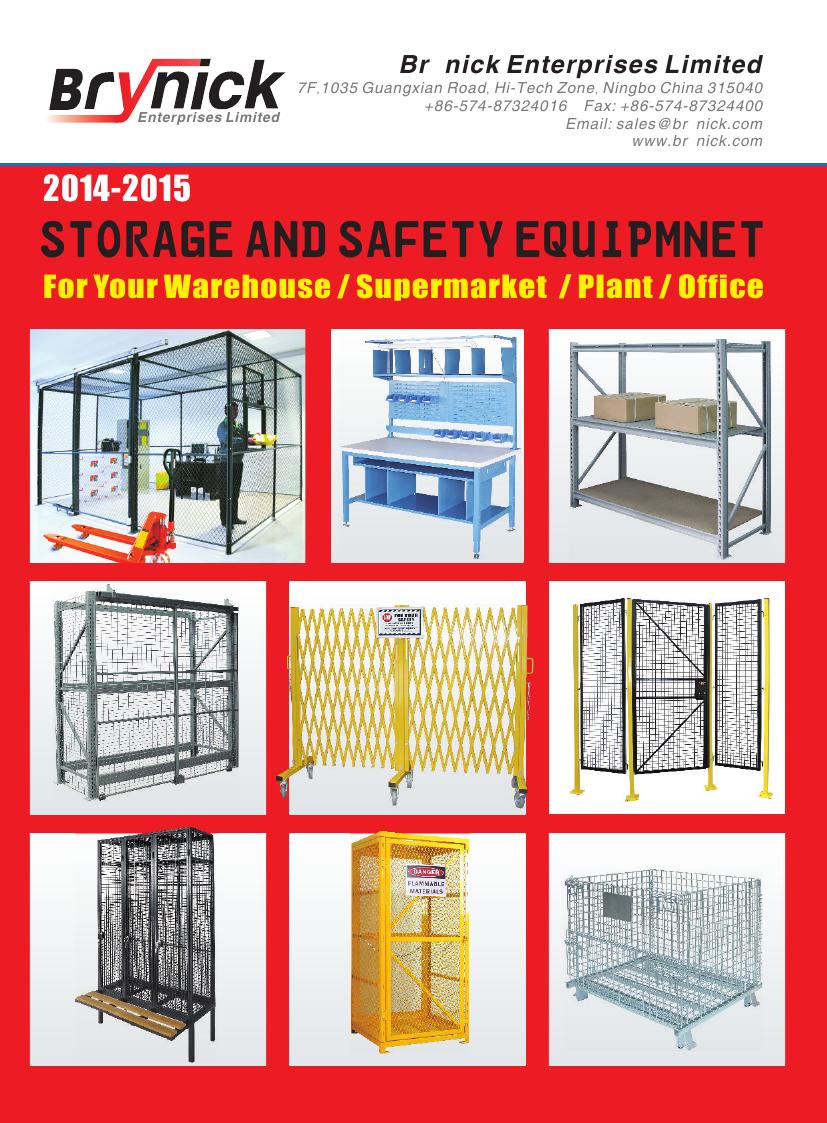
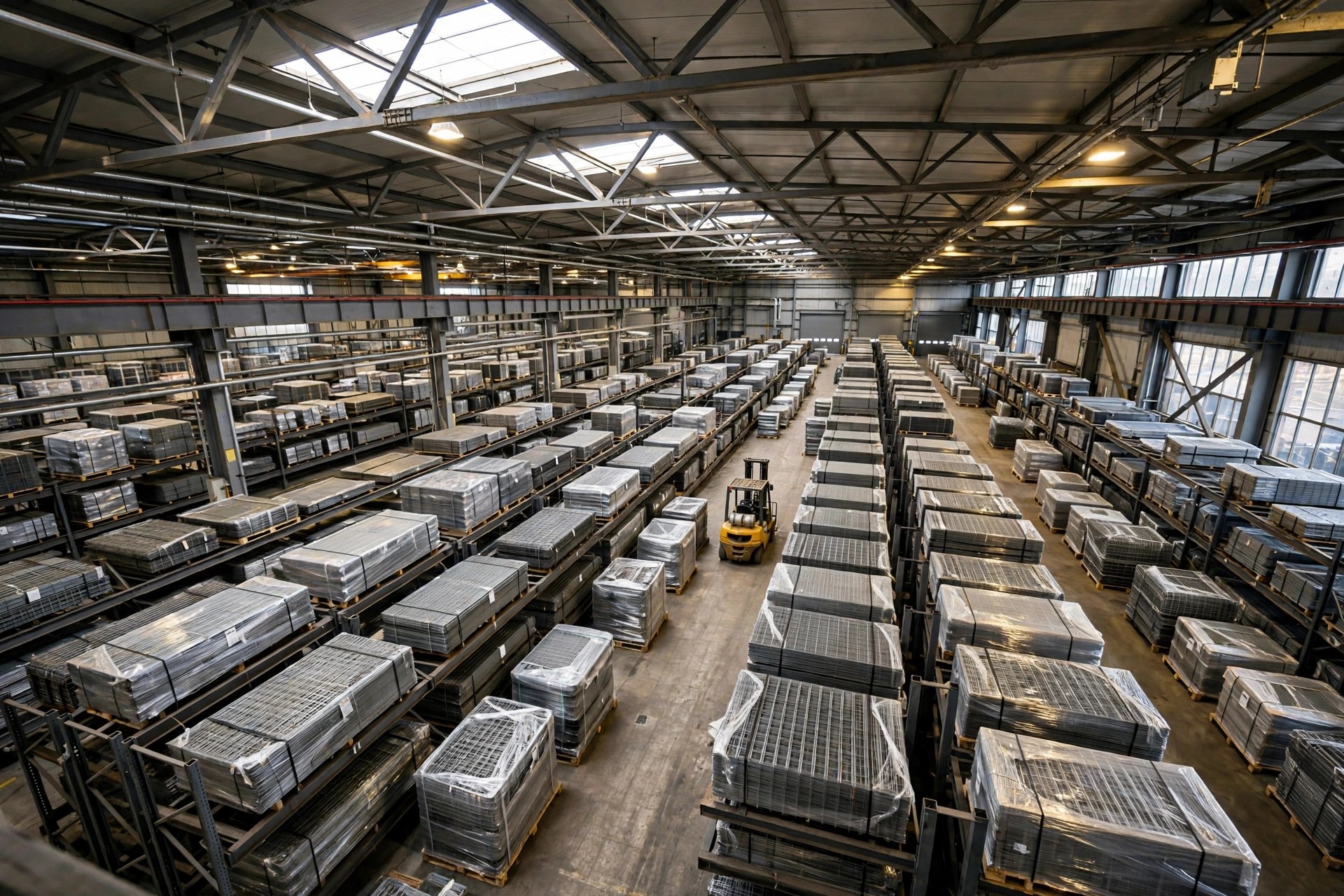
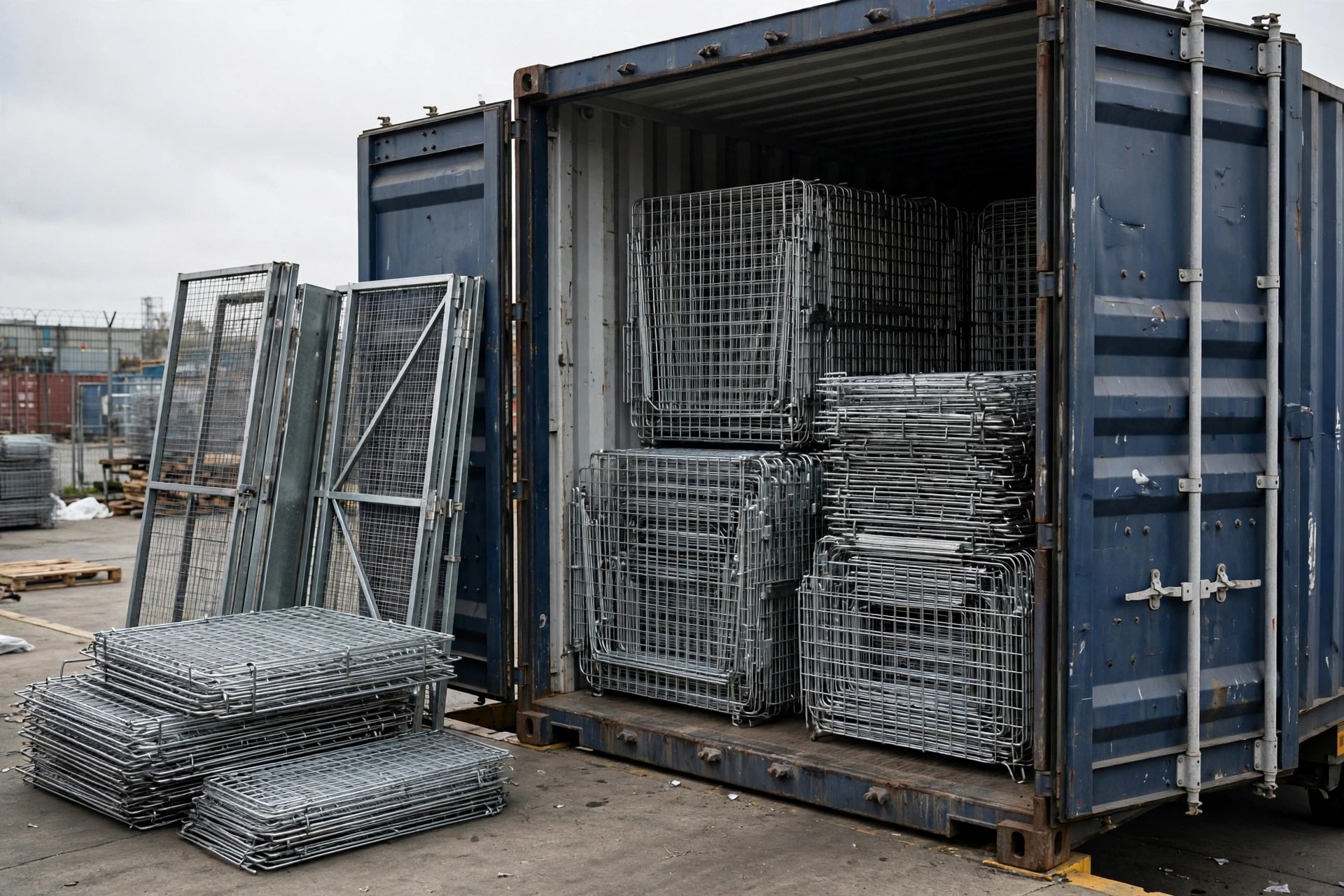
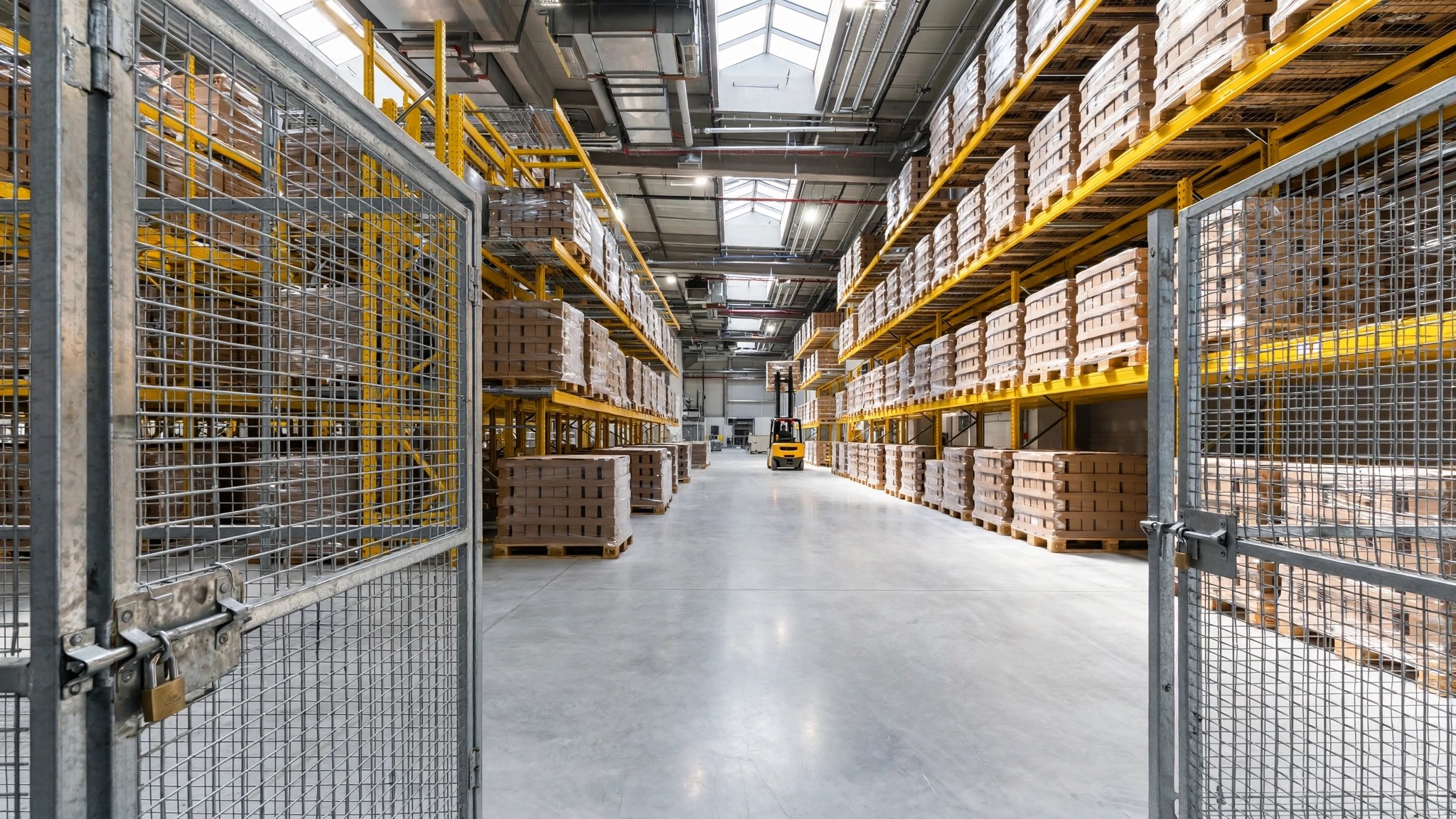
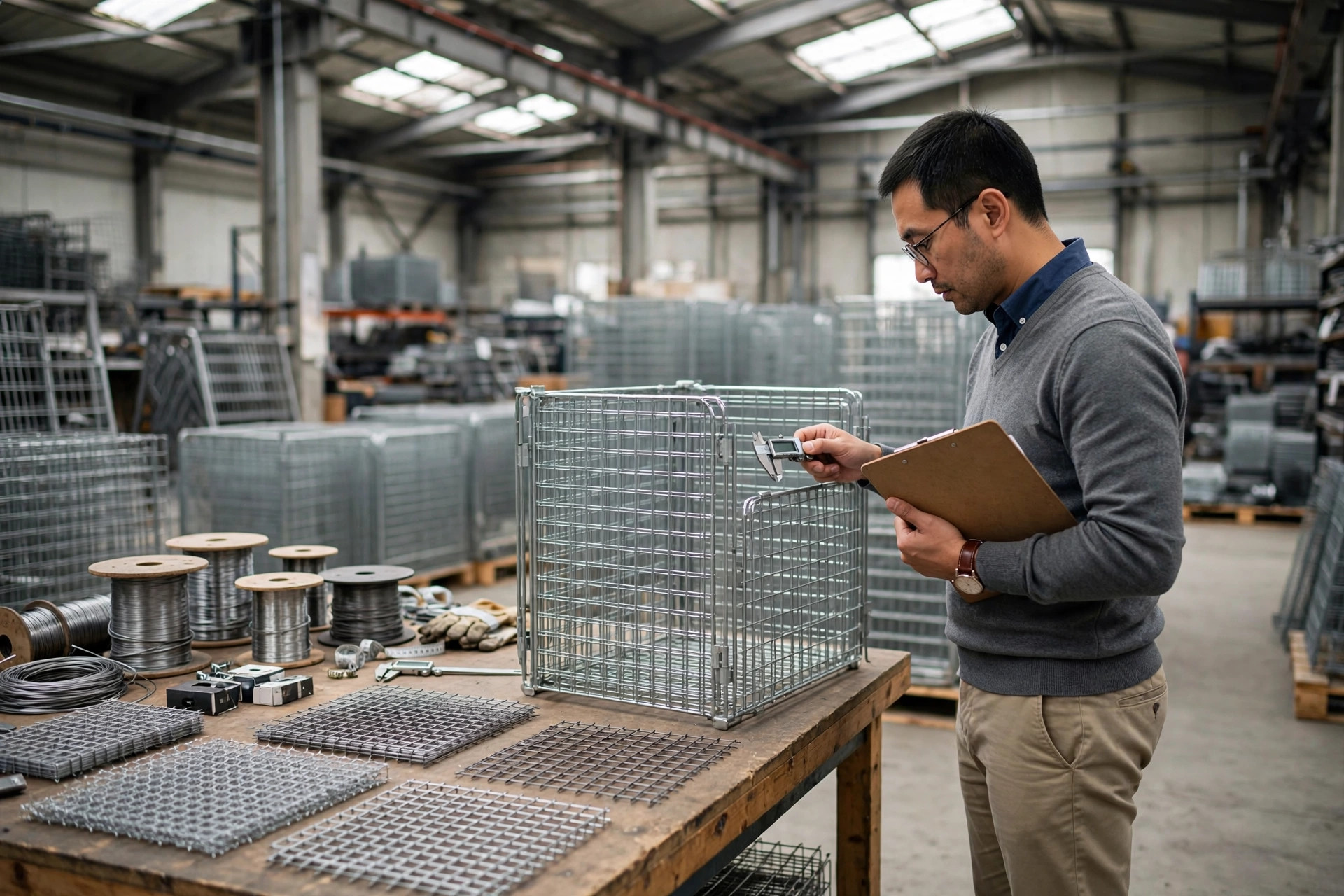
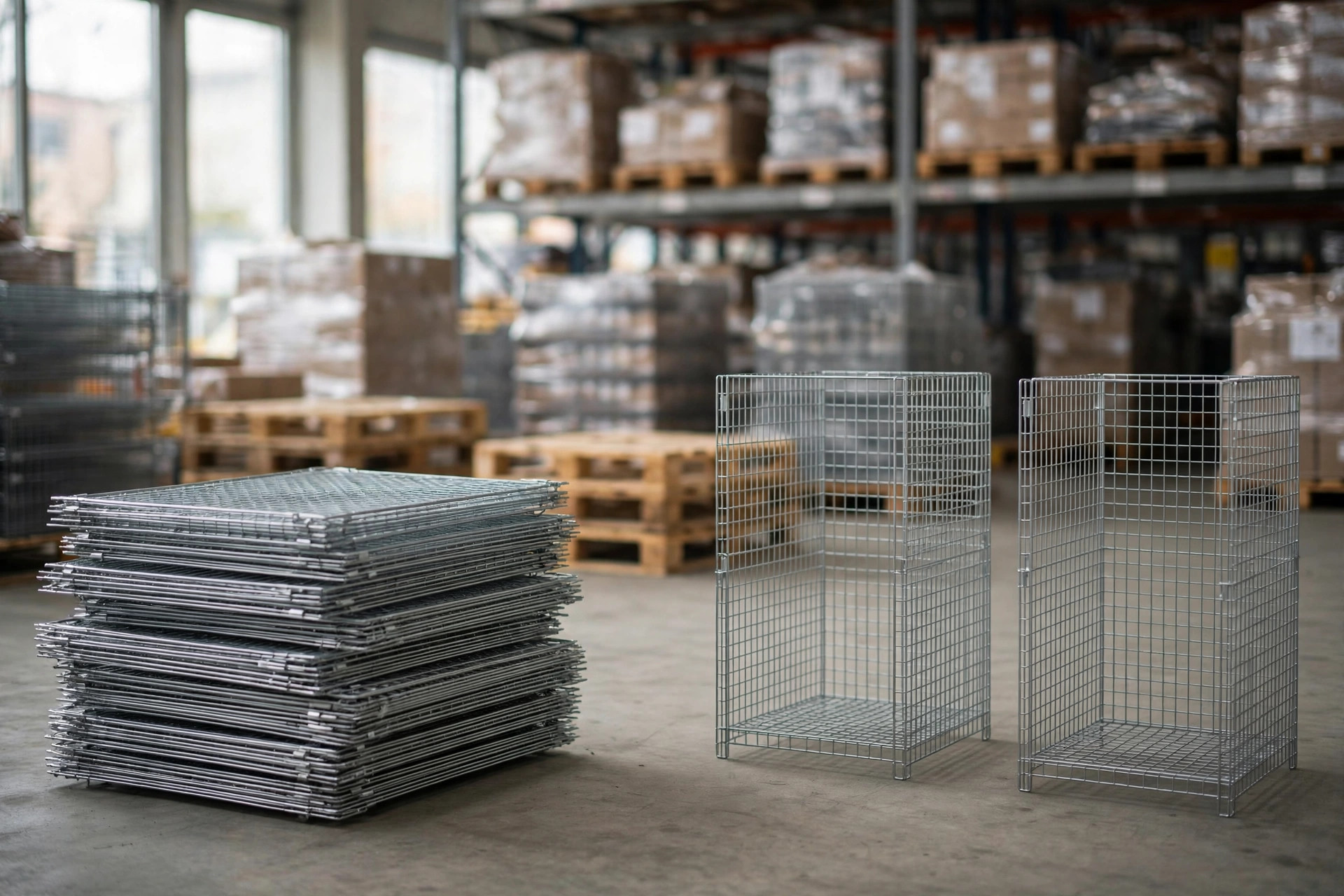
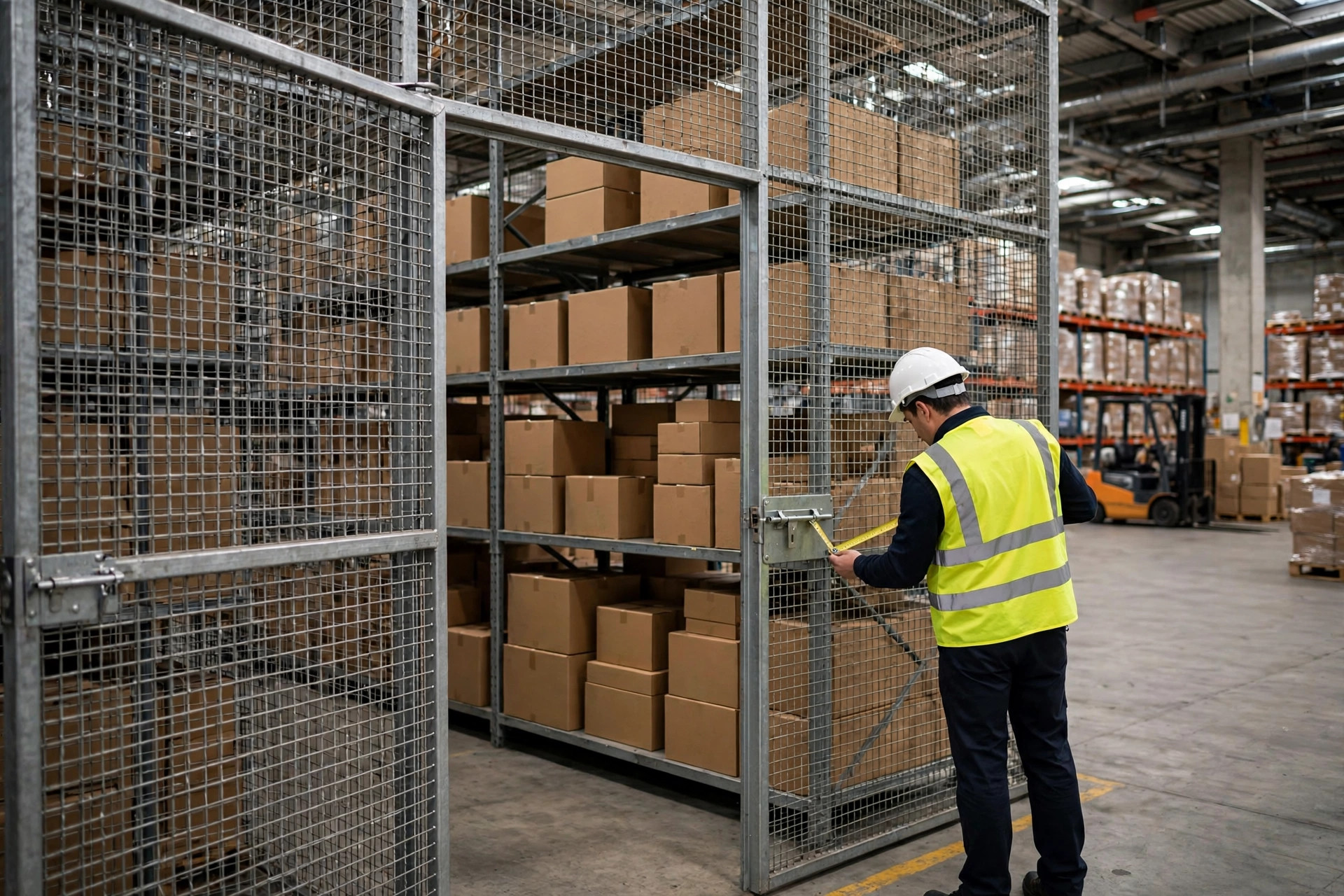
For buyers of Chinese industrial goods, the backdrop is two-sided. Robust factory activity supports production and shipping capacity, but the defensive response from destination markets is already concrete. The EU's new steel regime under Regulation (EU) 2026/1384, in force since July 1, requires importers to declare the country where the raw steel was melted and cast, and cut duty-free quotas by roughly half with a 50% out-of-quota duty; smaller importers warn the documentation burden will raise costs. Overseas buyers sourcing steel-based storage and material-handling equipment — wire partitions, wire containers, wire decking and racking systems — should confirm origin documentation with their suppliers early in the quotation process, as compliance now shapes landed cost as much as the factory price.
Sources: Reuters reporting on China customs data, October 13–14, 2026; AP reporting via Mushimu, October 14, 2026; Edge Consultancy KW analysis of September 2026 trade figures; EU steel Regulation 2026/1384 details via MiningMetalNews and Carpamann supply-chain review, October 2026. Market implications in the final paragraph are the author's editorial assessment.
Sourcing this category?
Get factory-direct pricing from Brynick.